

Commentary
Tatiana Stanovaya
{
  "authors": [
    "Tatiana Stanovaya"
  ],
  "type": "commentary",
  "blog": "Carnegie Politika",
  "centerAffiliationAll": "",
  "centers": [
    "Carnegie Endowment for International Peace",
    "Carnegie Russia Eurasia Center"
  ],
  "englishNewsletterAll": "",
  "nonEnglishNewsletterAll": "",
  "primaryCenter": "Carnegie Russia Eurasia Center",
  "programAffiliation": "",
  "regions": [
    "Russia"
  ],
  "topics": [
    "Domestic Politics",
    "Political Reform",
    "Security"
  ]
}
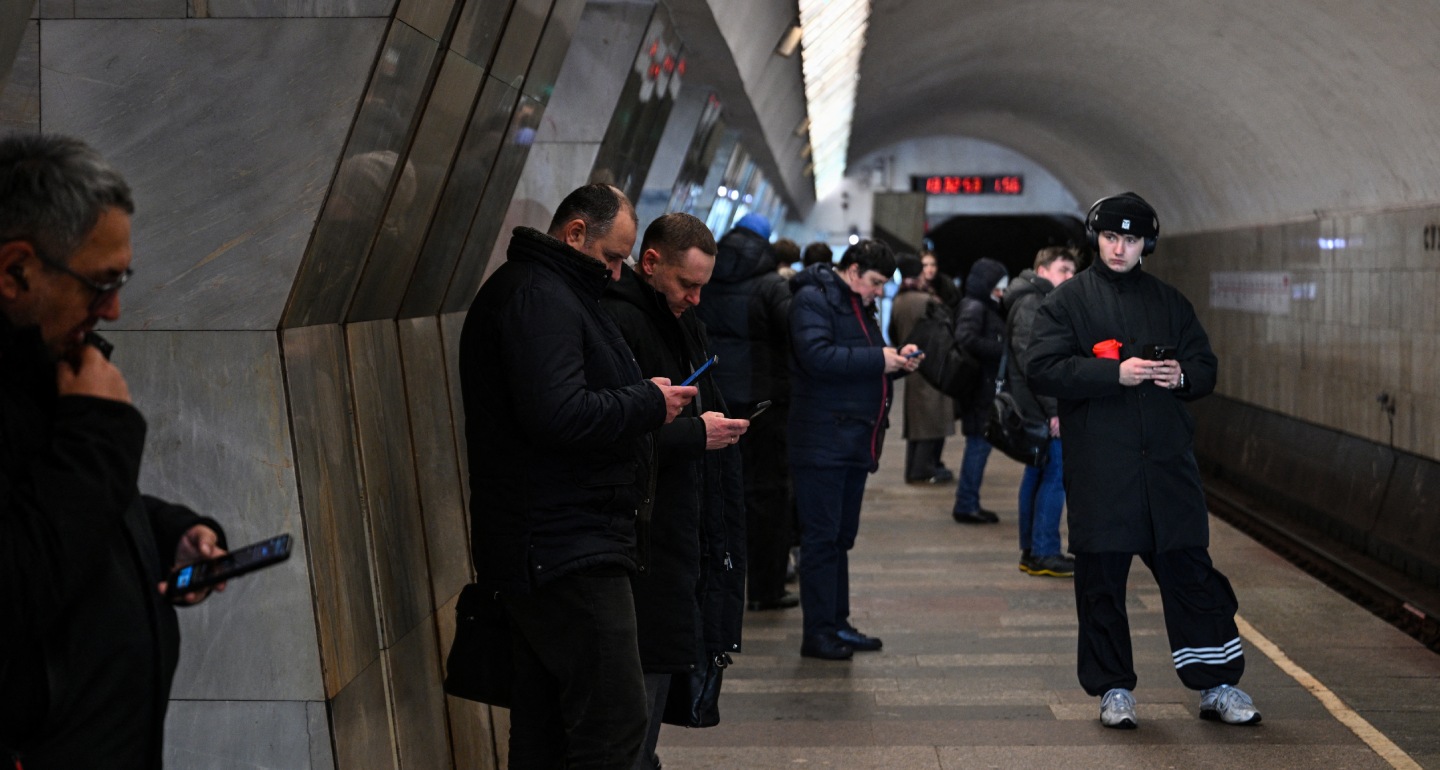
Source: Getty
After four years of war, there is no one who can stand up to the security establishment, and President Vladimir Putin is increasingly passive.
For the first time since the full-scale invasion of Ukraine in 2022, the Russian elite appears to be on the brink of an internal schism. On the one hand, the Kremlin’s continued use of the war to justify new rounds of repression makes it seem as if it’s business as usual. On the other hand, unhappiness over the recent push for total control of the internet is increasingly visible, with even loyalists starting to publicly criticize the Kremlin and predict revolution.
While each individual act of criticism may seem irrelevant, together they are significant. To use a medical analogy: minor and difficult-to-explain symptoms can be a passing inconvenience—or a sign of life-threatening illness.
There are many indications that the current regime is facing problems. Even though Russians have long since reconciled themselves to intensifying repression, the online restrictions have been introduced so quickly that there has been no time to adapt to them. In addition, the measures are increasingly affecting everybody’s daily routines.
After all, Russians have become used to a highly digitized society over the last two decades. While this can sometimes feel like a “digital gulag,” a huge number of services and goods are available online. Even initial wartime bans did not have much impact on this: the social networks Facebook and Twitter were never very popular in the grand scheme of things anyway; Russians turned to virtual private networks (VPNs) to continue using Instagram; and they switched to the messaging app Telegram from WhatsApp.
In the space of just a few weeks, however, this familiar online world began to disintegrate. First, there were the mobile internet shutdowns (ostensibly to protect the country from Ukrainian drones), then the blocking of the Telegram messaging app and pressure on people to use its domestic rival MAX, and a campaign to stop the use of VPNs. While television propagandists have been promoting the benefits of digital detox, it’s unlikely this will resonate with much of Russia’s deeply digitized society.
The political consequences of this bid to establish total control of the internet remain unclear—even to regime insiders. To a certain degree, this is a reflection of how the process has unfolded. While the initiative came from the Federal Security Service (FSB), it has little political support, and many of those involved in implementing the bans are critical of it. Above everything sits President Vladimir Putin, who understands little of what is happening, but has nonetheless given his blessing.
As a result, we have seen cautious sabotage from low-level officials, open criticism from loyalists, and murmurings of dissent—and occasional panic—among the business community. This unhappiness is further fueled by regular internet blackouts that make once-simple tasks impossible.
For the average Russian, it’s a woeful picture when the internet doesn’t work: you can’t phone anyone; you can’t send videos; VPNs regularly stop working; you can’t pay with your bank cards; and you can’t take out money from the ATM. These glitches are fixed, but the fear remains.
Significantly, public discontent is intensifying in the run-up to State Duma elections in September. The issue is not whether the regime will be able to secure the outcome it wants (it will), but whether the electoral process will be a smooth one. Until Telegram was blocked, it hosted almost all of the state’s electoral and political communications, and the Kremlin’s political managers had become accustomed to leveraging its highly developed information networks.
MAX, the officially promoted alternative to Telegram, is fully transparent to the security services. Since the political activity taking place on the app is often heavily intertwined with commercial interests, that makes the officials who use it vulnerable on multiple fronts.
The FSB’s creeping takeover of Russia’s domestic political agenda is nothing new. But the Kremlin’s political managers, headed by deputy chief of staff Sergei Kiriyenko, are responsible for elections. And they are clearly irritated by the security services’ crackdown.
In particular, Kiriyenko’s team is unhappy about unpredictability, limits on their ability to exert influence, and their exclusion from the decisionmaking that determines how people perceive the authorities. That’s in addition to having to deal with the opaqueness of Putin’s plans in Ukraine—yet another source of unpredictability. How do you prepare for elections when an internet shutdown could cause a sudden shift in public opinion at any moment? How do you manage an election when you don’t know whether the country will be at war or not?
The fighting in Ukraine has allowed the FSB and other agencies to push through a series of repressive measures under the pretext of national security. But that has resulted in a paradoxical situation in which not only the Russian public but even parts of the regime feel more in danger than ever. The blocking of Telegram means that people in regions targeted by Ukrainian drones can no longer receive real-time warnings of an incoming attack; military personnel are experiencing communication problems; and small businesses will struggle to survive without advertising and online sales via the app—all in the name of digital control.
After four years of war, Putin increasingly appears to be simply going through the motions. The president’s public comments leave no doubt that he has given the FSB permission to pursue ever-greater repression. But the same comments also reveal how ignorant he is about the online world, and the impact of online restrictions, as well as how unwilling he is to try to understand the details.
Nor is the picture a rosy one for the FSB, however. After all, the regime’s prewar institutional structures survive. There are still some relatively influential technocrats with economic policymaking roles; big corporations that pay significant sums in tax; and Kiriyenko’s “political bloc,” which, since the exit of Deputy Head of Presidential Administration Dmitry Kozak, exerts some influence over foreign policy. The push for total control of the internet is being carried out against the wishes of all these groups.
The current situation seems primed to make Russia’s security agencies even more hardline, with elite resistance almost certain to elicit a strong response. Inevitably, the FSB’s answer to public criticism will be more repression and a redoubling of their efforts to restructure the system to suit their own needs.
The two key questions are: Will another crackdown lead to more internal opposition? And, if it does, will the security services be able to retain control? One of the difficulties of answering either of these questions with any confidence is the growing specter of an aging, distant Putin, who can neither make peace in Ukraine nor win the war he started. Putin’s main selling point was always his strength. A weak Putin is of no use to anyone—including the country’s security establishment.

Senior Fellow, Carnegie Russia Eurasia Center
Tatiana Stanovaya is a senior fellow at the Carnegie Russia Eurasia Center.
Recent Work
Tatiana Stanovaya
Tatiana Stanovaya
Carnegie does not take institutional positions on public policy issues; the views represented herein are those of the author(s) and do not necessarily reflect the views of Carnegie, its staff, or its trustees.
The issue is not that the president only has selective information at his disposal, but that the decision-making process consists of one person with an unshakeable vision of how the world works.
Tatiana Stanovaya
By fueling the arguments of both supporters and opponents of Armenian Prime Minister Nikol Pashinyan, Azerbaijan wants to ensure he is re-elected with a weaker mandate.

Bashir Kitachaev
A much-discussed disagreement over internet restrictions in Russia was never an existential threat for Putin: It was about elite groups protecting their interests.

Alexandra Prokopenko
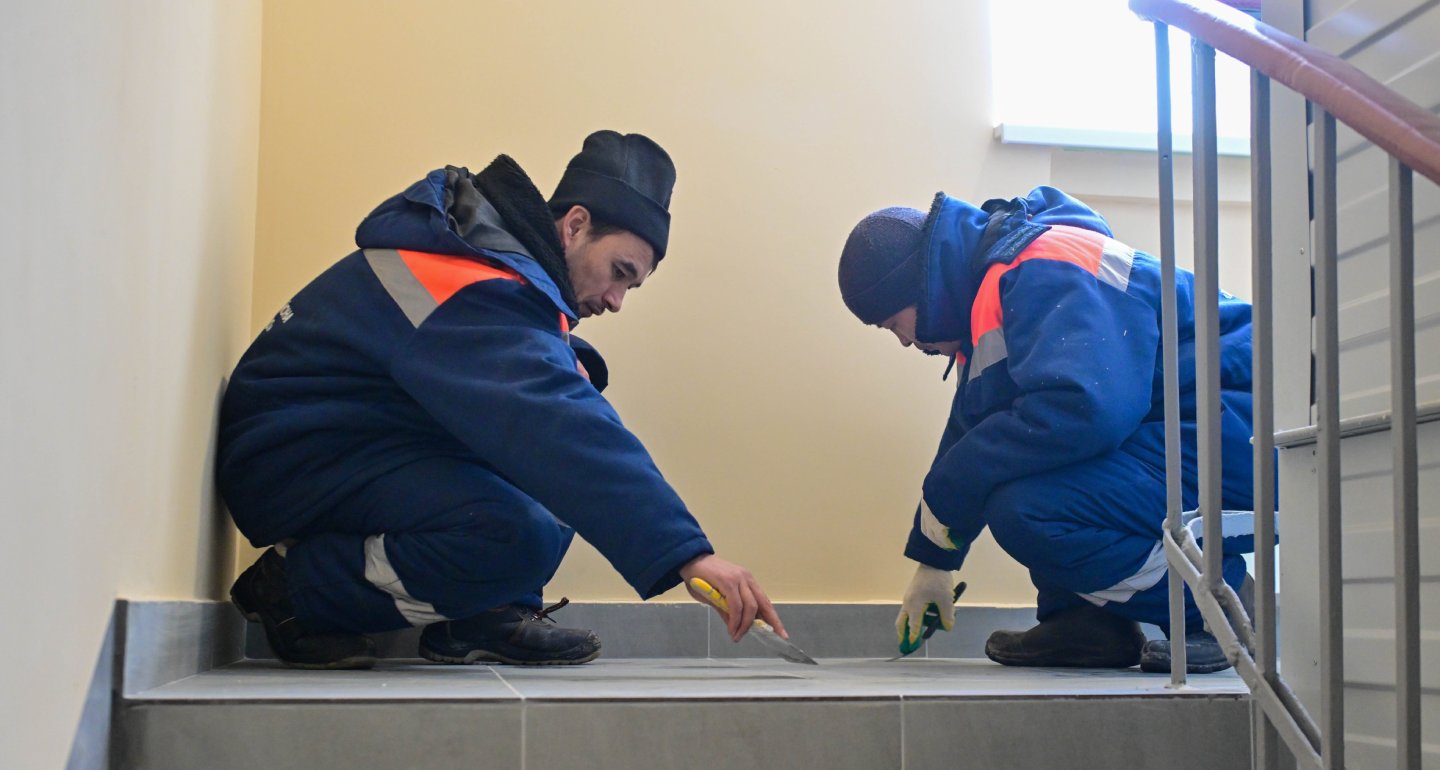
The demands of the Kremlin’s war in Ukraine, demographic problems, and public hostility toward Central Asians mean Russia does not have enough workers.
Salavat Abylkalikov
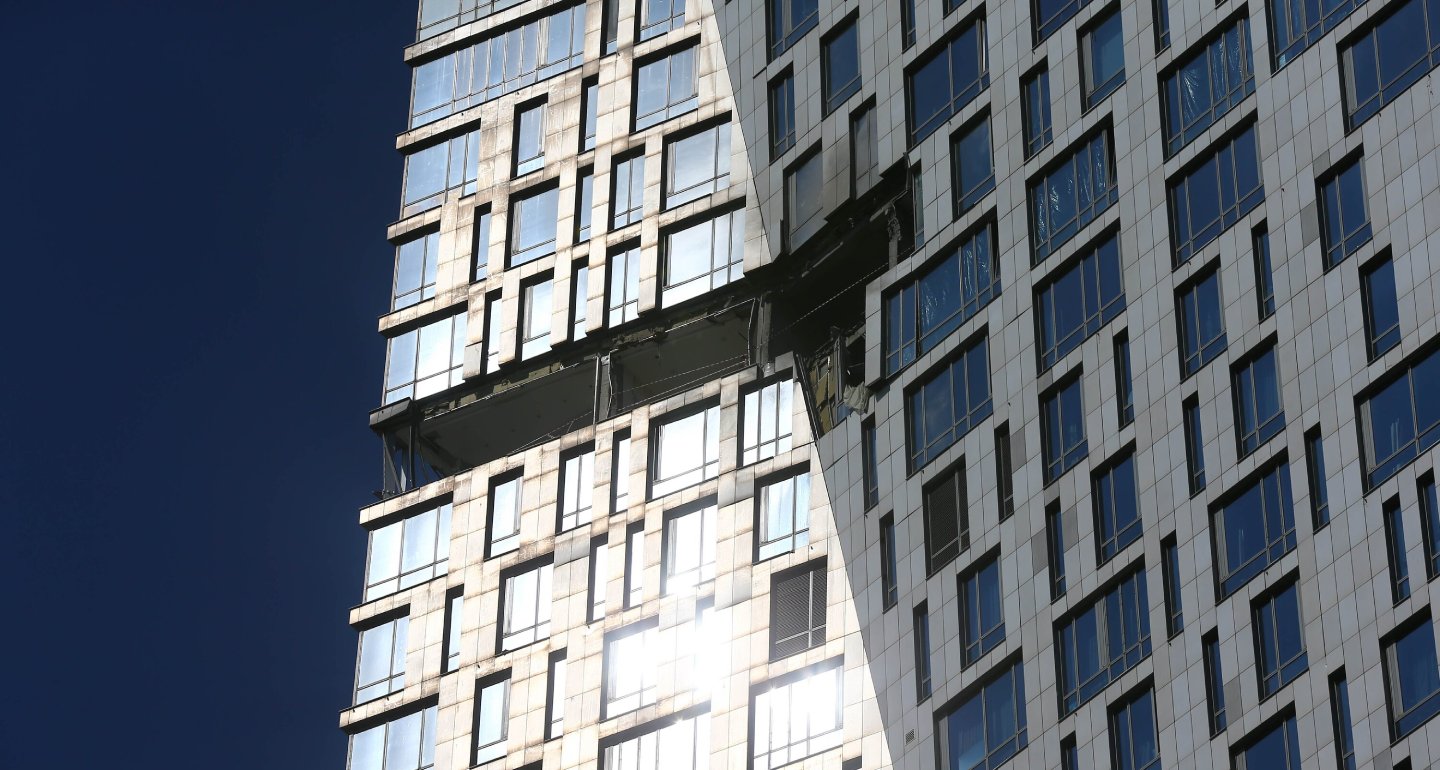
The cost of air defense has become an unregistered tax on revenue for businesses. While military rents are consolidated in the federal budget, the costs of defense are being spread across the balance sheets of companies and regional governments.
Alexandra Prokopenko