

Commentary
Syria’s worsening drought is no longer a seasonal crisis. This report explains what climate change is doing to rainfall, groundwater, and food security, and what solutions experts say are still possible.
Milia Esper
{
  "authors": [
    "Mahran Issa"
  ],
  "type": "commentary",
  "blog": "Sada",
  "centerAffiliationAll": "",
  "centers": [
    "Carnegie Endowment for International Peace"
  ],
  "englishNewsletterAll": "",
  "nonEnglishNewsletterAll": "",
  "primaryCenter": "Carnegie Endowment for International Peace",
  "programAffiliation": "",
  "programs": [],
  "projects": [
    "Shrinking Civic Spaces for Palestine/Israel Discourse"
  ],
  "regions": [
    "Palestine",
    "Middle East"
  ],
  "topics": []
}
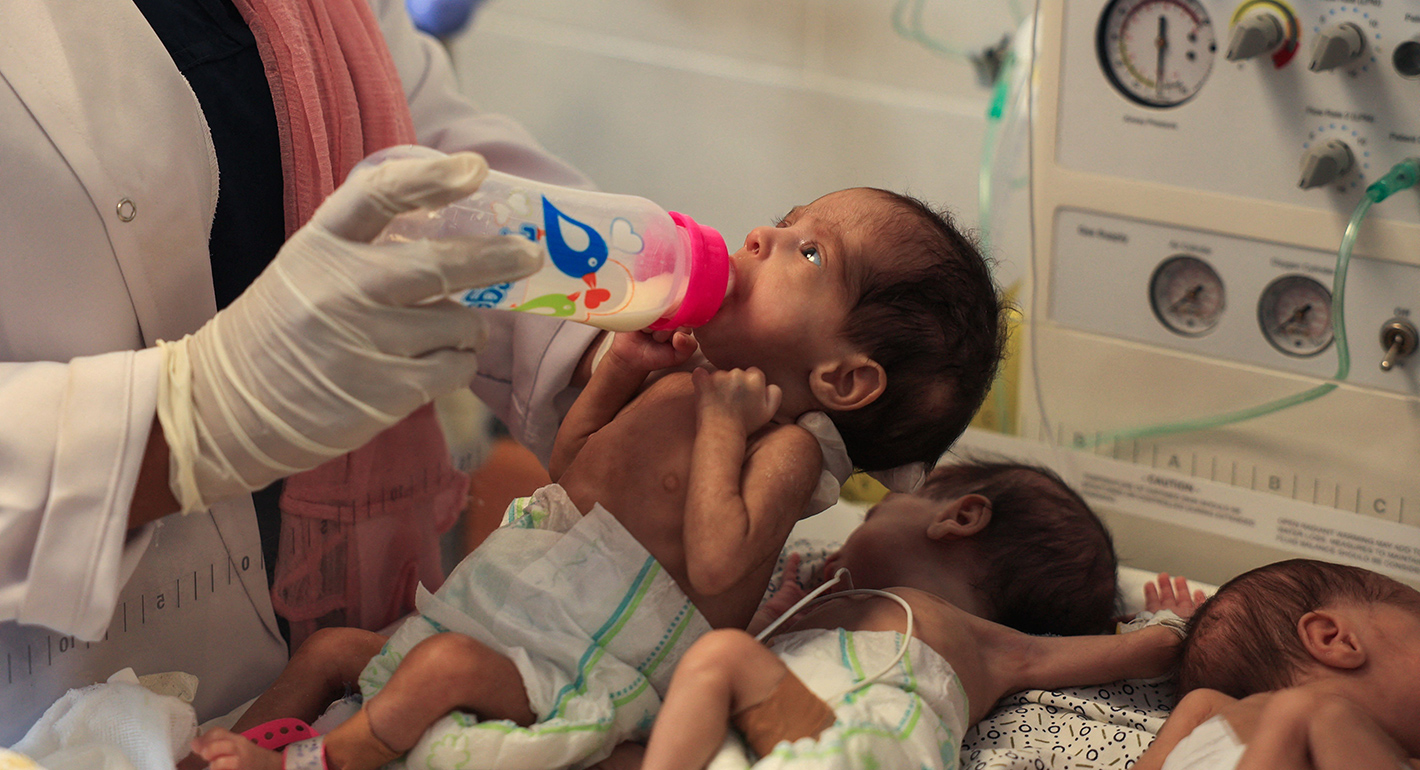
Source: Getty
As often occurs in conflict zones, Palestinian women and children have paid the highest price of Israel’s military assault in Gaza.
Invalid video URL
Palestinian Ministry of Health statistics said that about 60,000 pregnant Palestinian women in the Strip suffer from malnutrition and dehydration because of the war and the scarcity of food supplies entering the Strip. Women constitute 49 percent of the Gaza Strip's population, most of whom are of childbearing age. There are about 5,000 women giving birth every month in harsh, unsafe and unsanitary conditions. Last February, UNICEF warned that the sharp rise in malnutrition among children and pregnant and lactating women in the Gaza Strip poses a serious threat to their lives.
Birth Under Bombardment, a documentary produced by Sada, sheds light on the suffering of Palestinians in Gaza with a specific focus on pregnant women. Among these is Alaa Taha, who was displaced from her home and recounts her perilous journey out of the north of the Gaza Strip. Traversing tens of kilometers on foot, Taha's journey was marred by falls that resulted in severe bleeding and endangered her unborn child.
On the other hand, Falestine Abu Wardeh's experience reveals the severe healthcare crisis in Gaza. Abu Wardeh narrowly escaped death during a difficult caesarean section, when her bladder was accidentally damaged and doctors were forced to removed her uterus—a result of medical oversights amid scant supplies, including anesthesia.
The situation is similarly dire at Rafah's Emirati Hospital, which specializes in obstetrics and gynecology. As reported by its director, Haider Abu Sneema, approximately 1.5 million Palestinians—including 60,000 pregnant women—have sought refuge in Rafah and have overwhelmed the hospital. With around 400 pregnant women arriving every day, and the maternity department only able to deliver 80 to 100 daily births, the healthcare system is under immense strain.
Indeed, the medical infrastructure throughout Gaza is beyond overstretched, with hospitals operating at less than a quarter of their pre-war capacity. This means that mothers and newborns are often immediately discharged to make beds available for other patients, posing grave risks to their well-being.
Beyond childbirth, these women face severe shortages in food, water, baby formula, and other essential supplies due to Israel’s restrictions on humanitarian aid. The ensuing malnutrition has hampered their ability to breastfeed—as experienced by Warda Matar, a new mother sheltering in the Nuseirat camp, who resorted to feeding her newborn dates.
Since the military operations commenced on October 7, 2023, the toll on Gaza has been catastrophic. Over 35,000 Palestinians have been killed and most of them are women and children. Despite these grim statistics, a ceasefire remains elusive, prolonging the agony for Gaza’s civilian population.
Mahran Issa
Mahran Issa is a Palestinian journalist from Gaza based in Istanbul, and the producer of the film Birth Under Bombardment: The Throes of Displacement in Gaza.
Carnegie does not take institutional positions on public policy issues; the views represented herein are those of the author(s) and do not necessarily reflect the views of Carnegie, its staff, or its trustees.
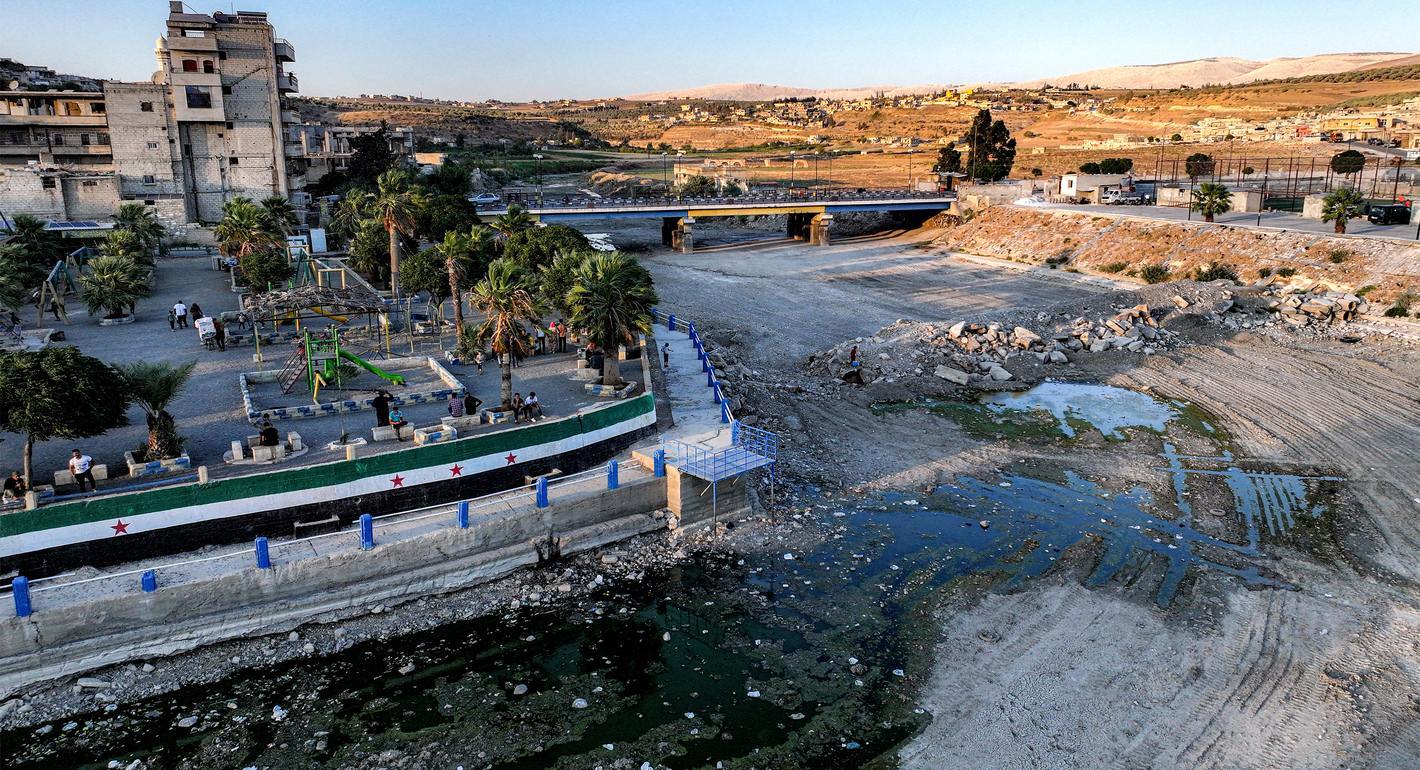
Syria’s worsening drought is no longer a seasonal crisis. This report explains what climate change is doing to rainfall, groundwater, and food security, and what solutions experts say are still possible.
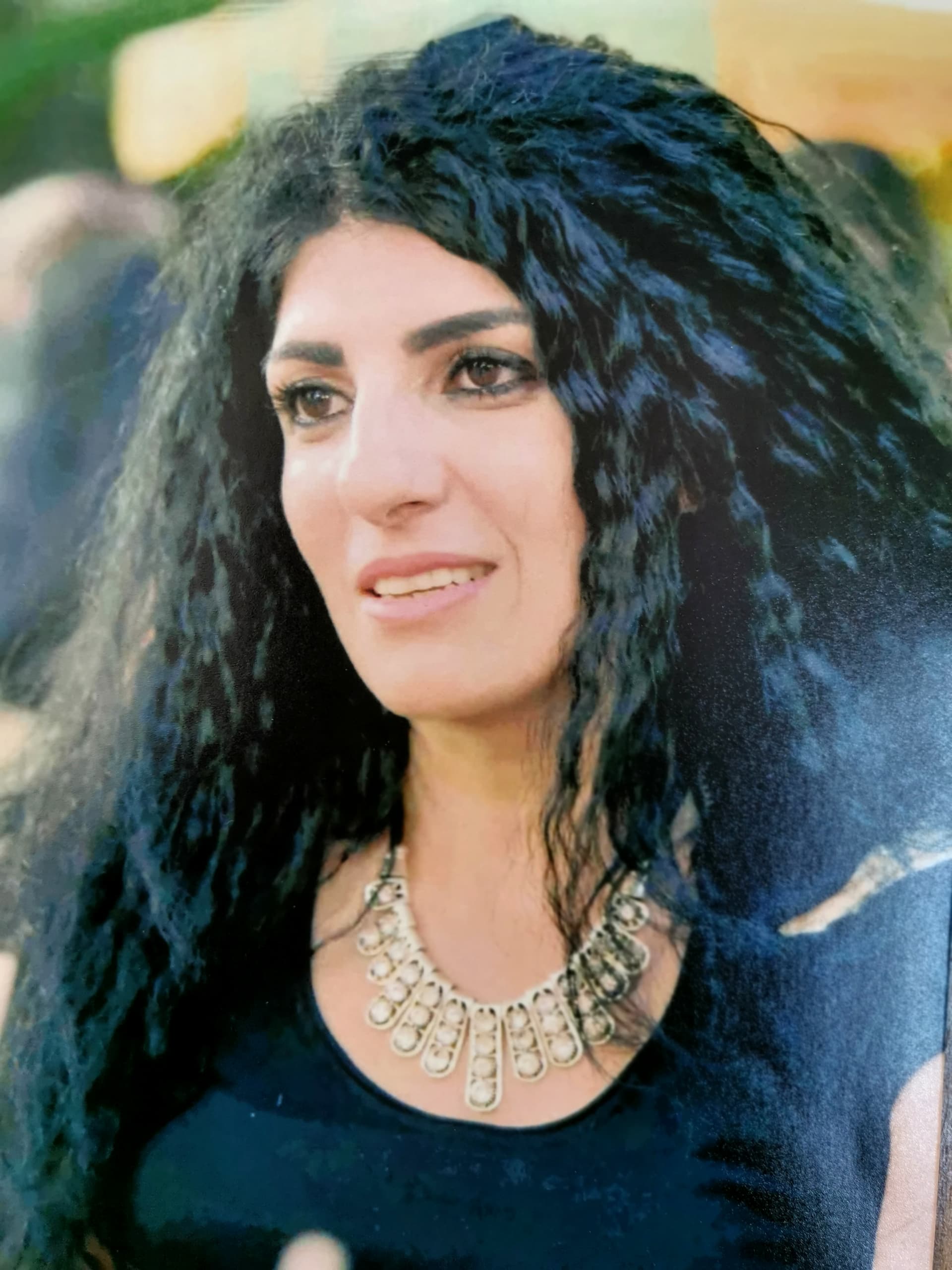
Milia Esper
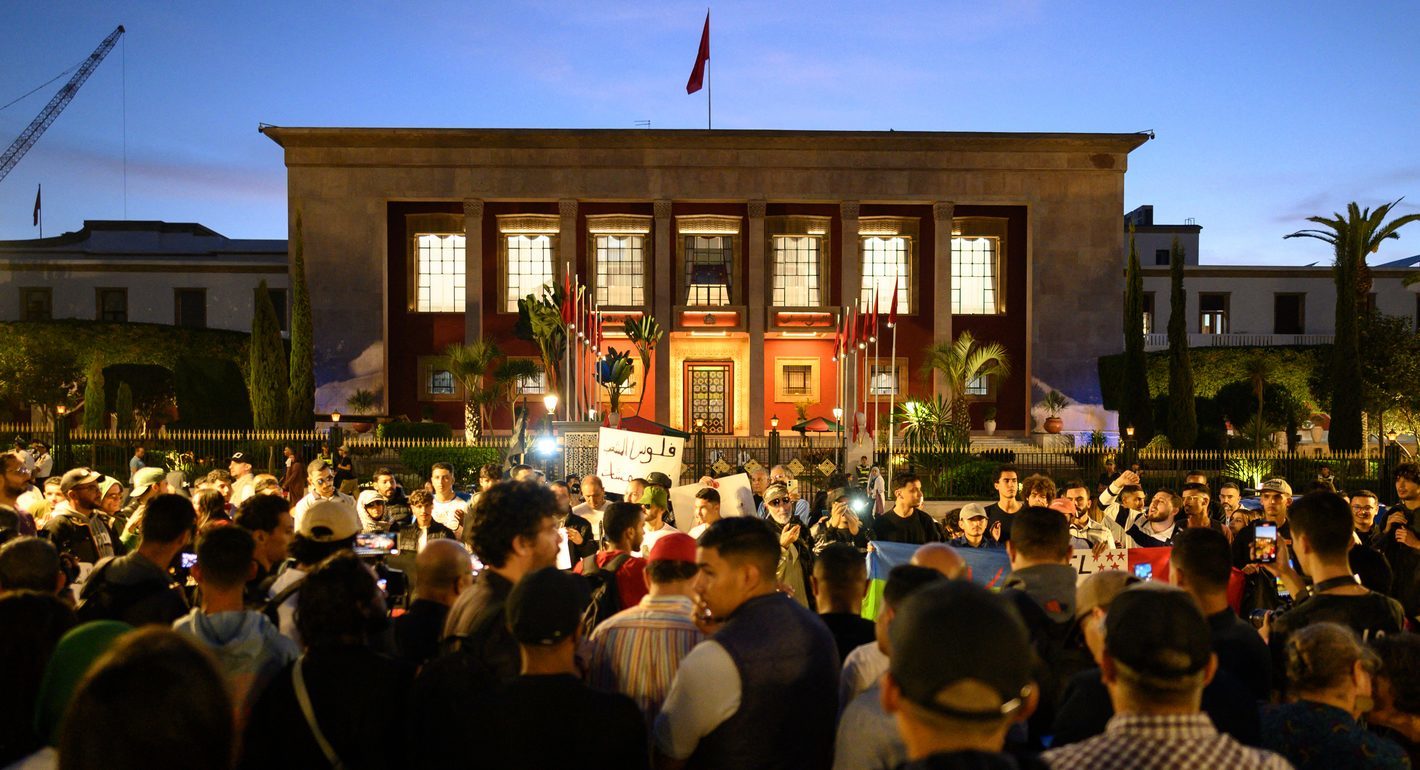
From anime heroes to online gaming communities, Morocco’s Gen Z is building a new protest culture. What does this digital imagination reveal about youth politics, and how should institutions respond?
Abdelilah Farah
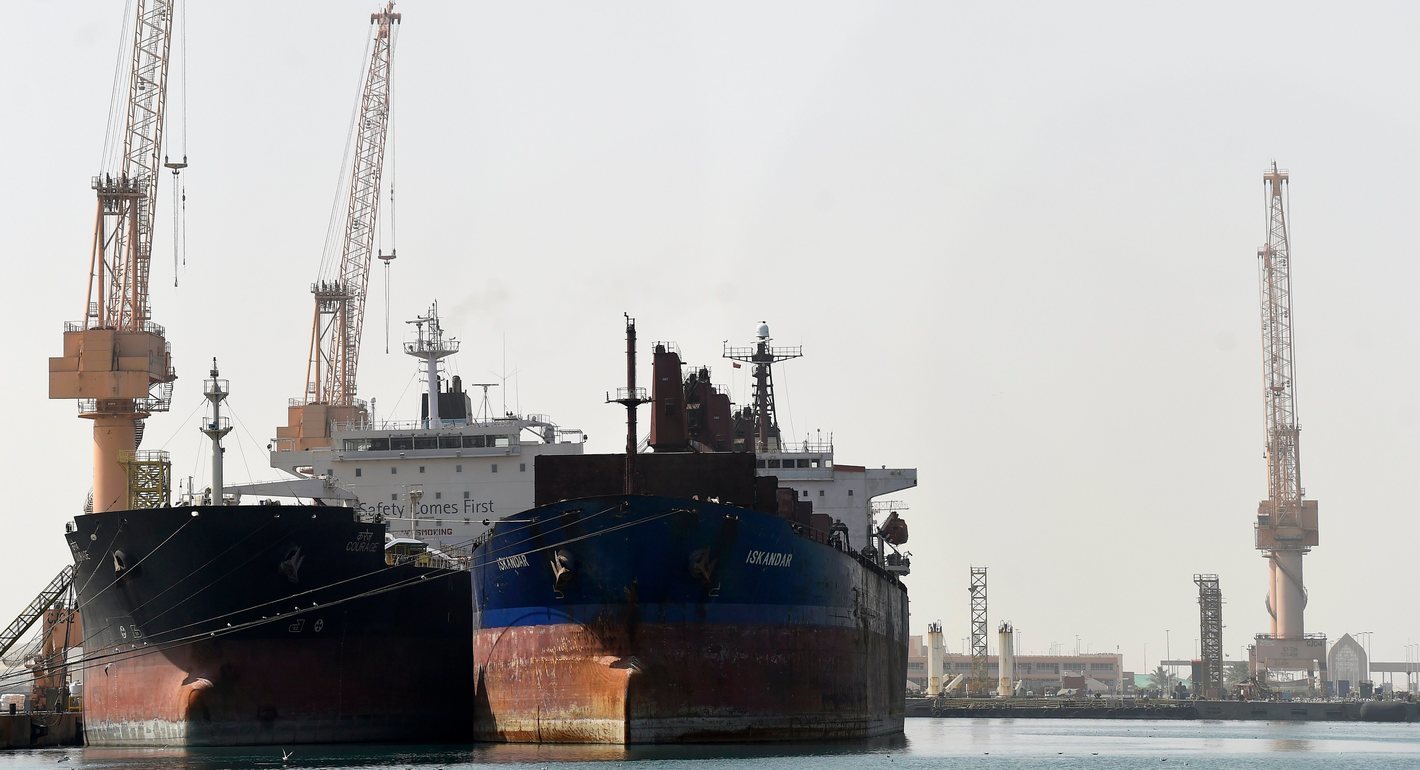
In a volatile Middle East, the Omani port of Duqm offers stability, neutrality, and opportunity. Could this hidden port become the ultimate safe harbor for global trade?
Giorgio Cafiero, Samuel Ramani
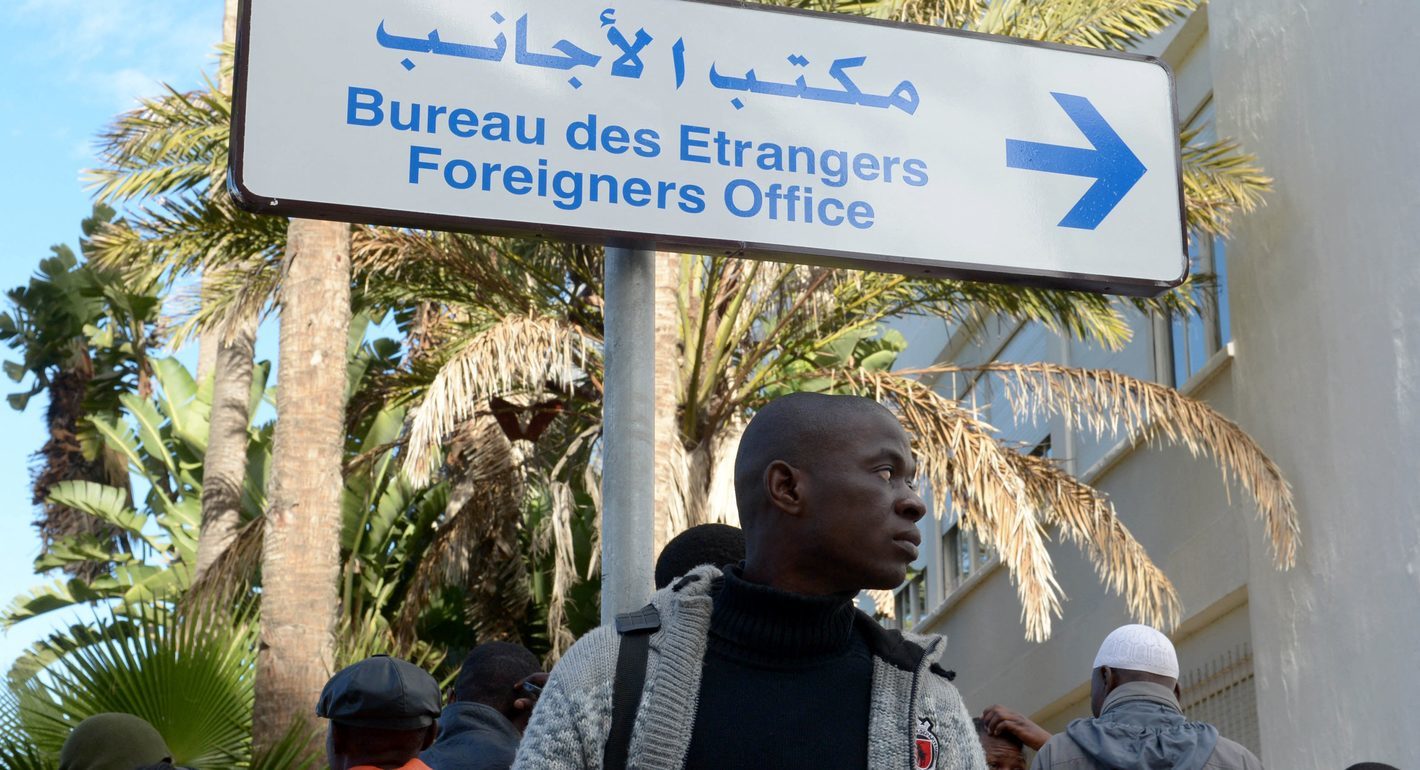
Is Morocco’s migration policy protecting Sub-Saharan African migrants or managing them for political and security ends? This article unpacks the gaps, the risks, and the paths toward real rights-based integration.
Soufiane Elgoumri
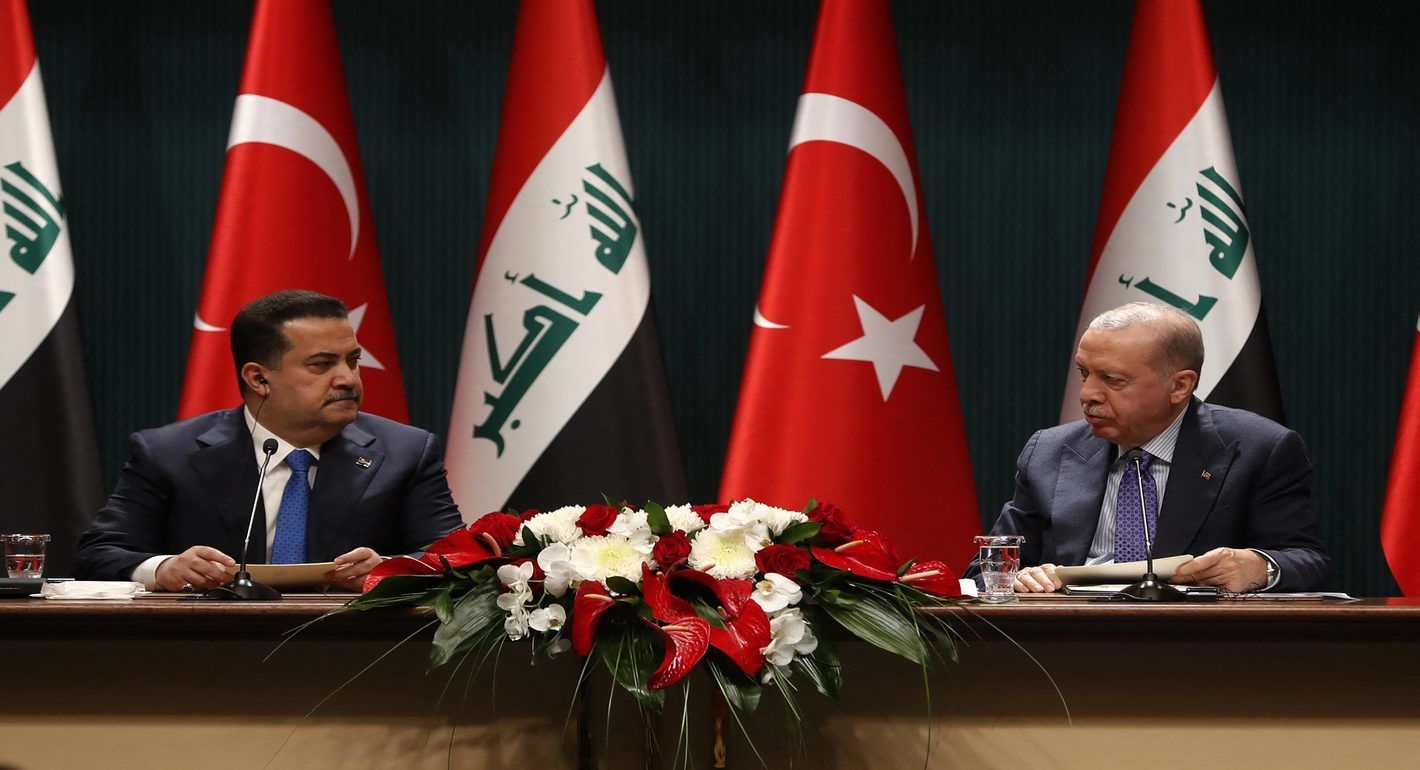
Iraq’s foreign policy is being shaped by its own internal battles—fractured elites, competing militias, and a state struggling to speak with one voice. The article asks: How do these divisions affect Iraq’s ability to balance between the U.S. and Iran? Can Baghdad use its “good neighbor” approach to reduce regional tensions? And what will it take for Iraq to turn regional investments into real stability at home? It explores potential solutions, including strengthening state institutions, curbing rogue militias, improving governance, and using regional partnerships to address core economic and security weaknesses so Iraq can finally build a unified and sustainable foreign policy.
Mike Fleet